You can learn a lot about an organization by how it handles a hard branding decision.
When identity is tied to pride, history, and belonging, change can get personal fast. That was certainly true for Archbishop Ryan High School. The school needed new mascot imagery after retiring longtime visuals, but the names Raider and Ragdoll still carried deep meaning for the community. What happened next is a good reminder that when a branding decision is emotionally charged, the goal is not to make everyone happy. It’s to create a process people can trust.
One of the biggest mistakes organizations make in moments like this is assuming the best path is to ask everyone what they want and then follow the most popular answer.
It sounds democratic. But usually isn’t strategic.
The more a decision depends on personal taste, the more likely people are to get attached to their own preference. Without shared context, clear roles, and a defined goal, feedback can quickly become a pile of opinions instead of a path forward. That was one of the clearest lessons in our work with Archbishop Ryan. The school did not need more noise. It needed a way to gather input, create alignment, and move toward a decision the community could understand.
Here are three things worth remembering when the stakes feel high:
- Input and decision-making are not the same thing.
People want to feel heard. That does not mean every person should get an equal vote on the final outcome. In the Ryan process, input came first through stakeholder sessions with students and adults from across the school community. Then a smaller Working Group helped move from perspectives to decisions. That distinction mattered. It gave the process both breadth and credibility. - Alignment has to come before design.
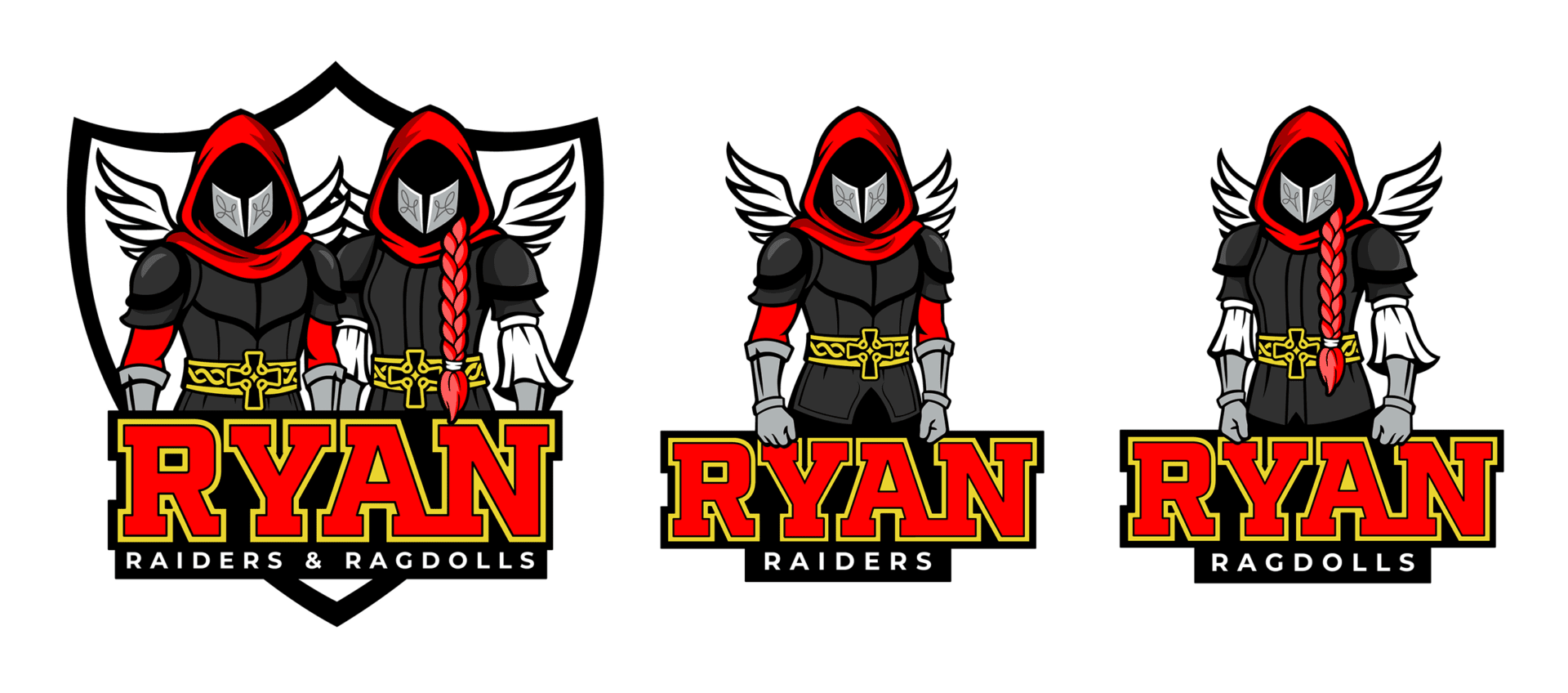
Before we explored what the mascots could look like, the group had to answer a more important question: keep Raiders and Ragdolls, or replace them entirely? Once the decision was made to keep both, the creative direction became much clearer. The new imagery needed to honor what the community valued while leaving behind what no longer fit. That kind of clarity is what keeps branding work from drifting into personal preference. - Buy-in grows when the rationale is clear.
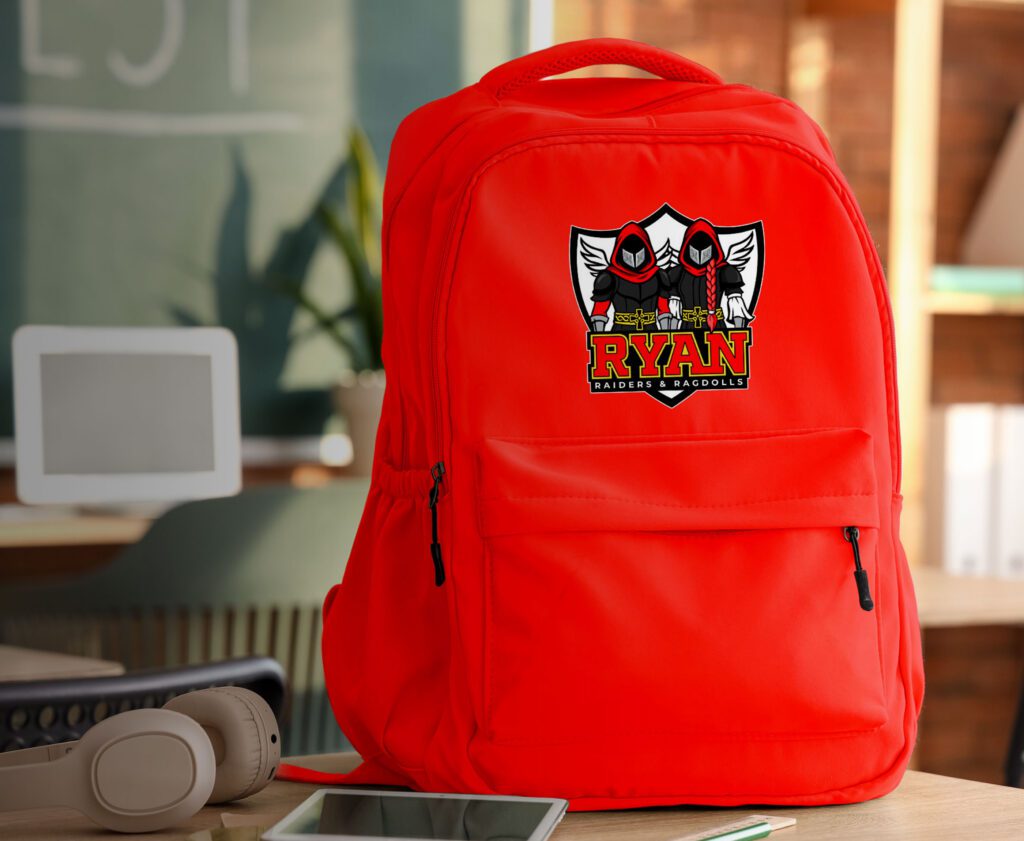
Change like this does not succeed because everyone loves the outcome on day one. It succeeds because people can see the thinking behind it. At Archbishop Ryan, the final mascots were built with intentional symbolism tied to school identity, heritage, faith, and inclusivity. Just as important, the school could clearly explain how the decision was made and why the new system belonged to the community. That story is part of the brand work too.
Branding decisions that touch tradition, emotion, or culture require more than a good design solution. They require a credible process.
That’s true for mascot changes. It’s true for renaming. It’s true for visual identity updates, mergers, and message shifts. When people understand how a decision was made — and can see that it was guided by something bigger than likes and dislikes — they are much more willing to accept it.
If your organization is facing a high-stakes brand decision, let’s talk about how to create a process that builds clarity, alignment, and trust.