
If you’ve ever gone through a rebranding, you know it’s a process more than a project. And that process doesn’t end when your consultants walk away. In fact, it’s just beginning.
THE LASTING VALUE OF A REBRAND
You may wonder if it’s worth the effort. Does being branded help support an organization’s strategy, marketing, and fundraising over time?
So often we talk about rebranding at the moment of launch when things are shiny and new. But to answer this question, I reached out to an organization we rebranded a decade ago to see how they were doing. Some organizations might have rebranded again by now, but the Histiocytosis Association hadn’t. Instead, they’ve found room to evolve while staying true to their value positioning — to bring physicians, patients, and parents together to access to the best resources while funding the search for a cure.
Brands exist in an ever-evolving environment. Staff changes. Leadership changes. Constituent needs change. Information changes. The Histiocytosis Association has navigated all of that remarkably. Deanna Fournier, the current Executive Director, shared the story of their evolution over the last ten years.
The back-story of the rebrand.
When we worked together the organization was run by its founder, Jeffrey Toughill, and a team of nine.
After 21 years as the primary resource for their community, competitors were starting to appear, and donors had choices about where to invest to serve their goals. Jeff realized that the environment had changed — they needed to define what differentiated them and communicate the value of their approach.
As we moved through audience research and positioning, one key distinction rose to the top — this community was special because both patients and practitioners were members. This direct connection among families and physicians was unmatched. And because of that relationship they can provide a wholistic approach to addressing this rare disease.
The organization was and is primarily funded by fundraisers run by patient families. It’s only natural that families prioritized funding going towards research for a cure. In 2010, our challenge was getting them to value all the things the organization does equally and see how they work in synergy.
To support positioning focused on the integration of the patient and practitioner communities, we developed a new logo that alternates abstract people images in an oval. The shape leans forward to create the feeling of momentum. Research indicated that the one thing the community recalled about the previous logo was that it was blue, so we retained this and paired it with a striking bright green.

Those key elements have become powerful tools that Deanna says are still at the heart of their brand today.
Does the brand help support marketing and fundraising? Absolutely.
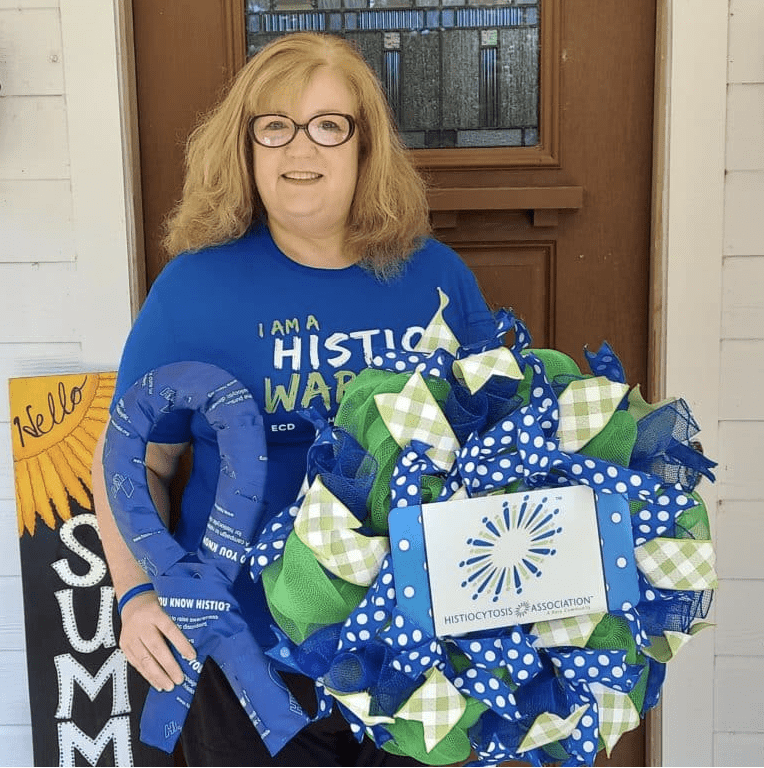
“The idea,” Deanna says, “of the burst [the logo graphic] being a circle of patients and families coming together to support one another — that’s the voice we carry. It’s been helpful for us to always think about what patients and families need to know, what information needs to be there, and how we continue that circle.”
Deanna believes that the colors have become recognizable over the years as theirs. “Now, it’s this feeling that you get when you look at the logo, a feeling of the warmth.”
Over the years the graphic style of their design has evolved, but they have stuck to the original palette of blue and green with lighter tints of each to add flexibility. Broader color palettes can have a lot of value — but don’t underestimate the impact of a tight color story. With the abundance of content on web, email, and social media today, it’s harder to build recall. Repetition of color over time has built awareness of the Association, which translates into more awareness of this rare disease.
The message behind the image.
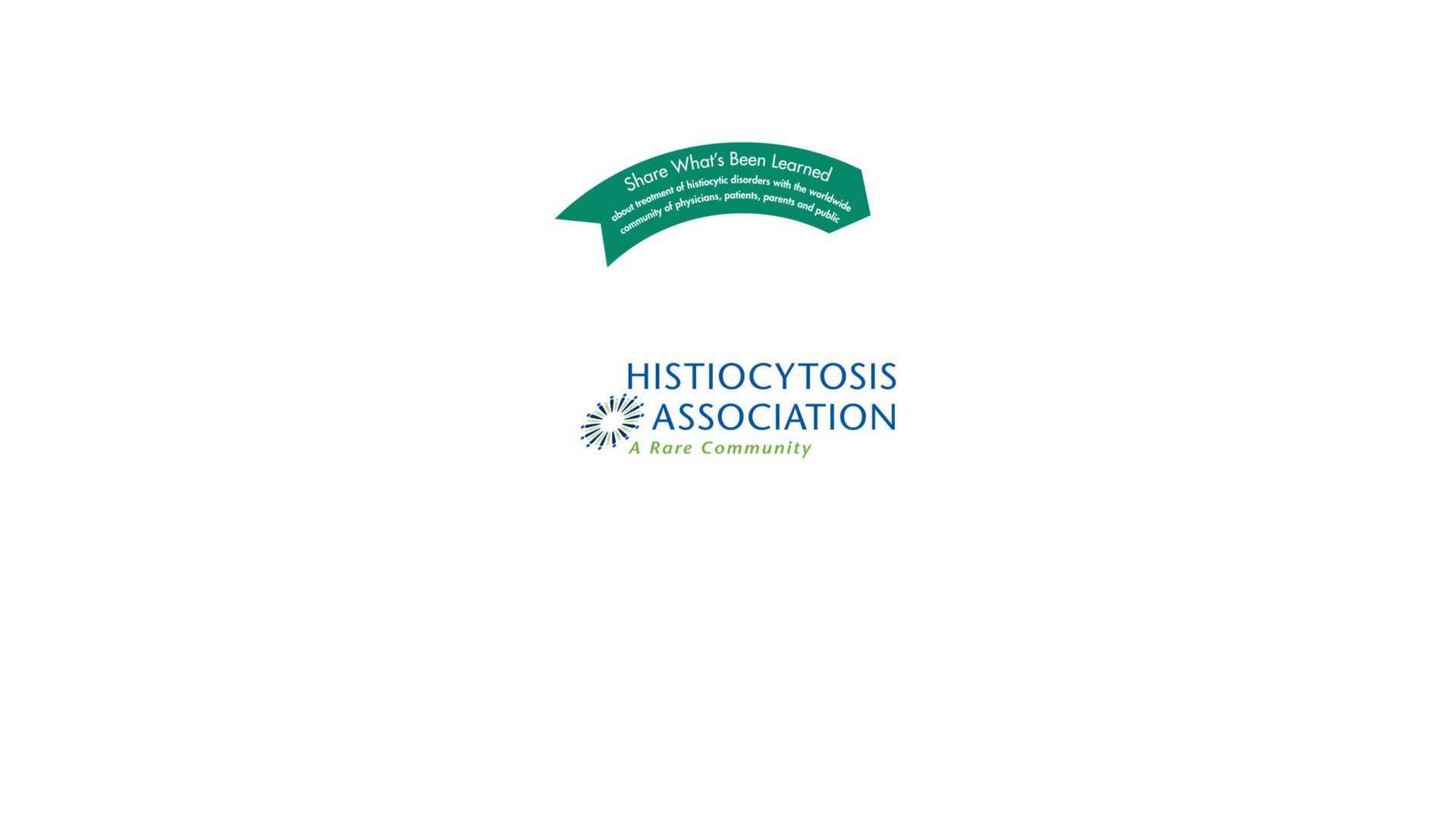
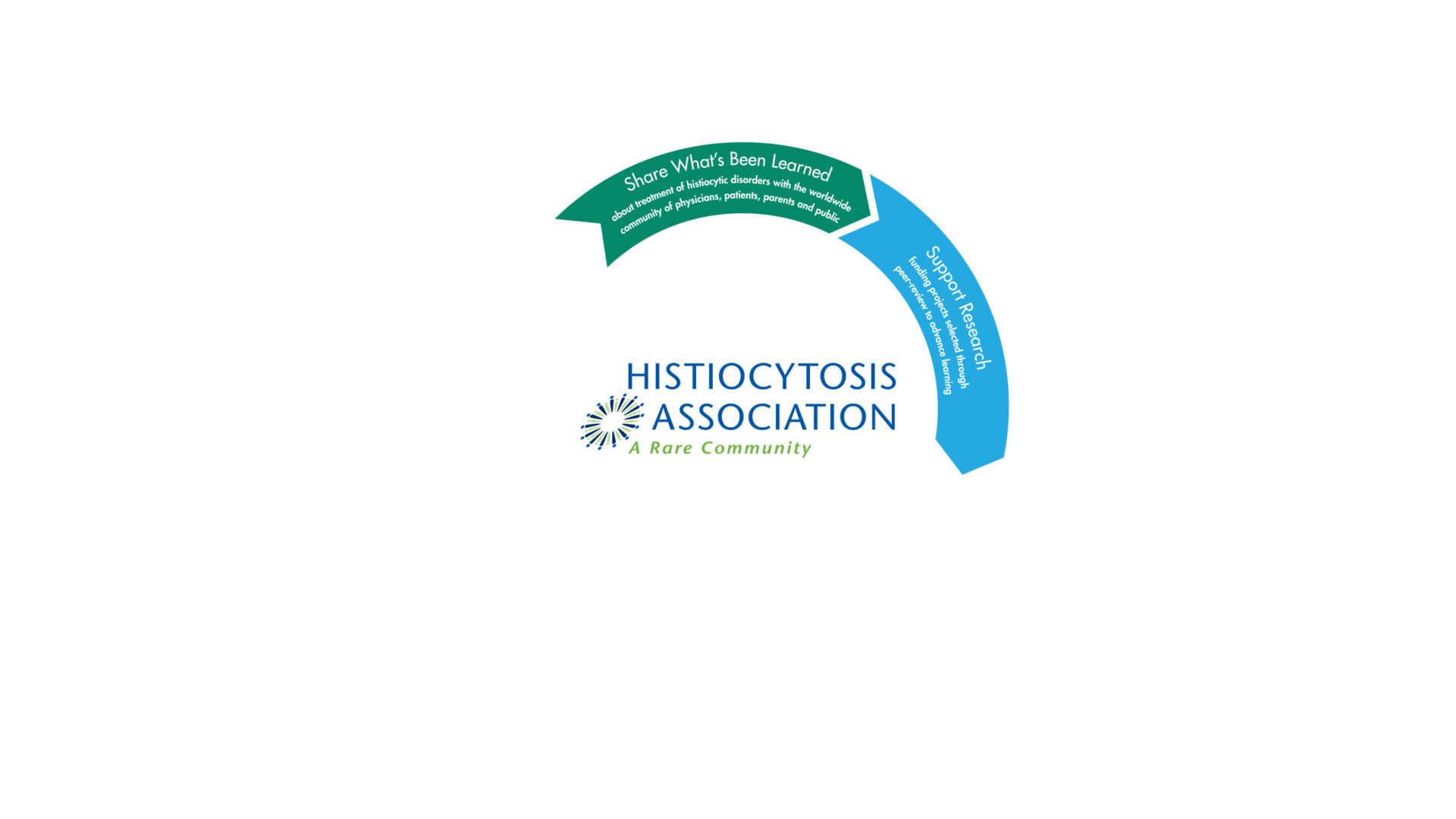
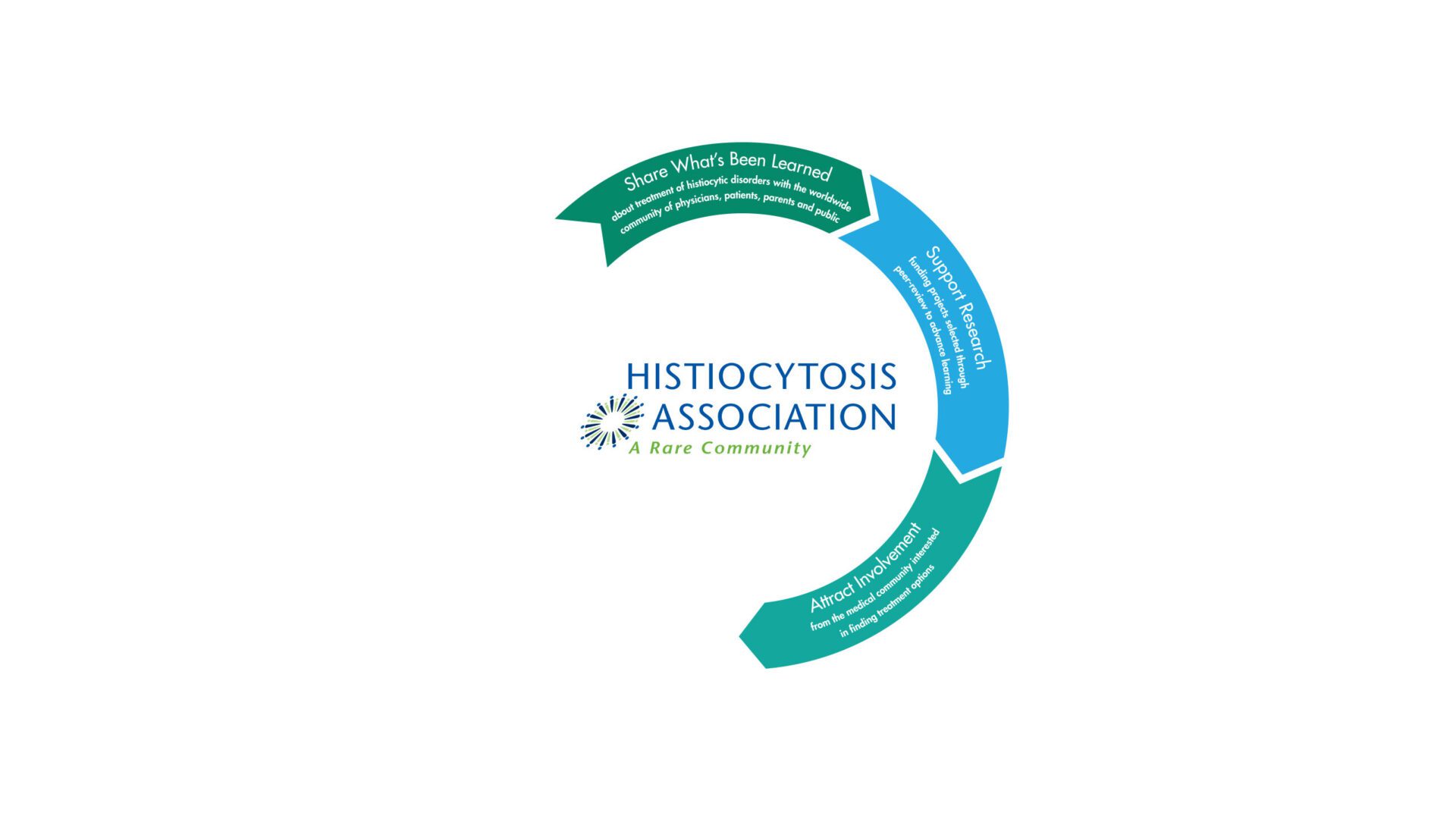
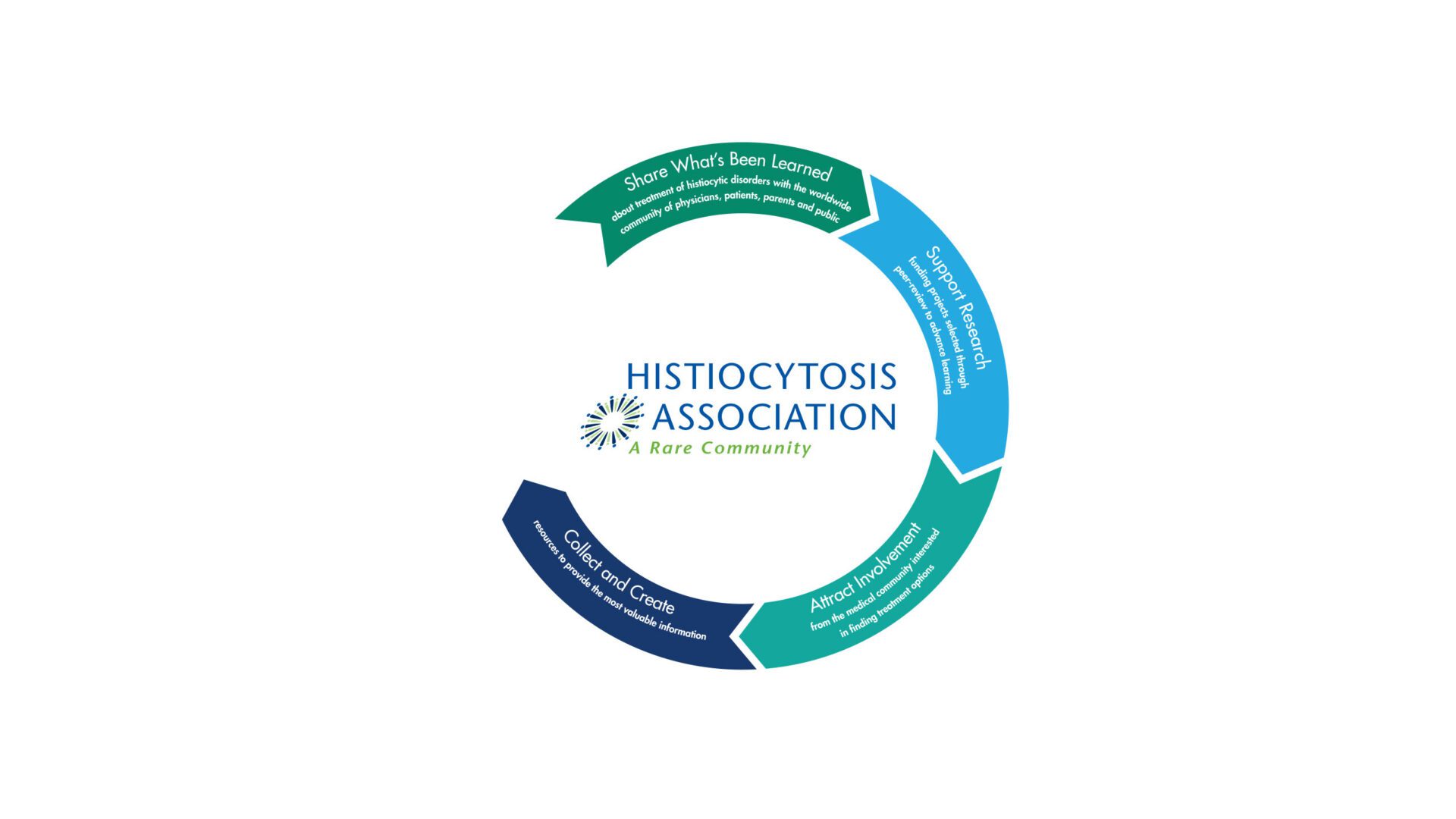
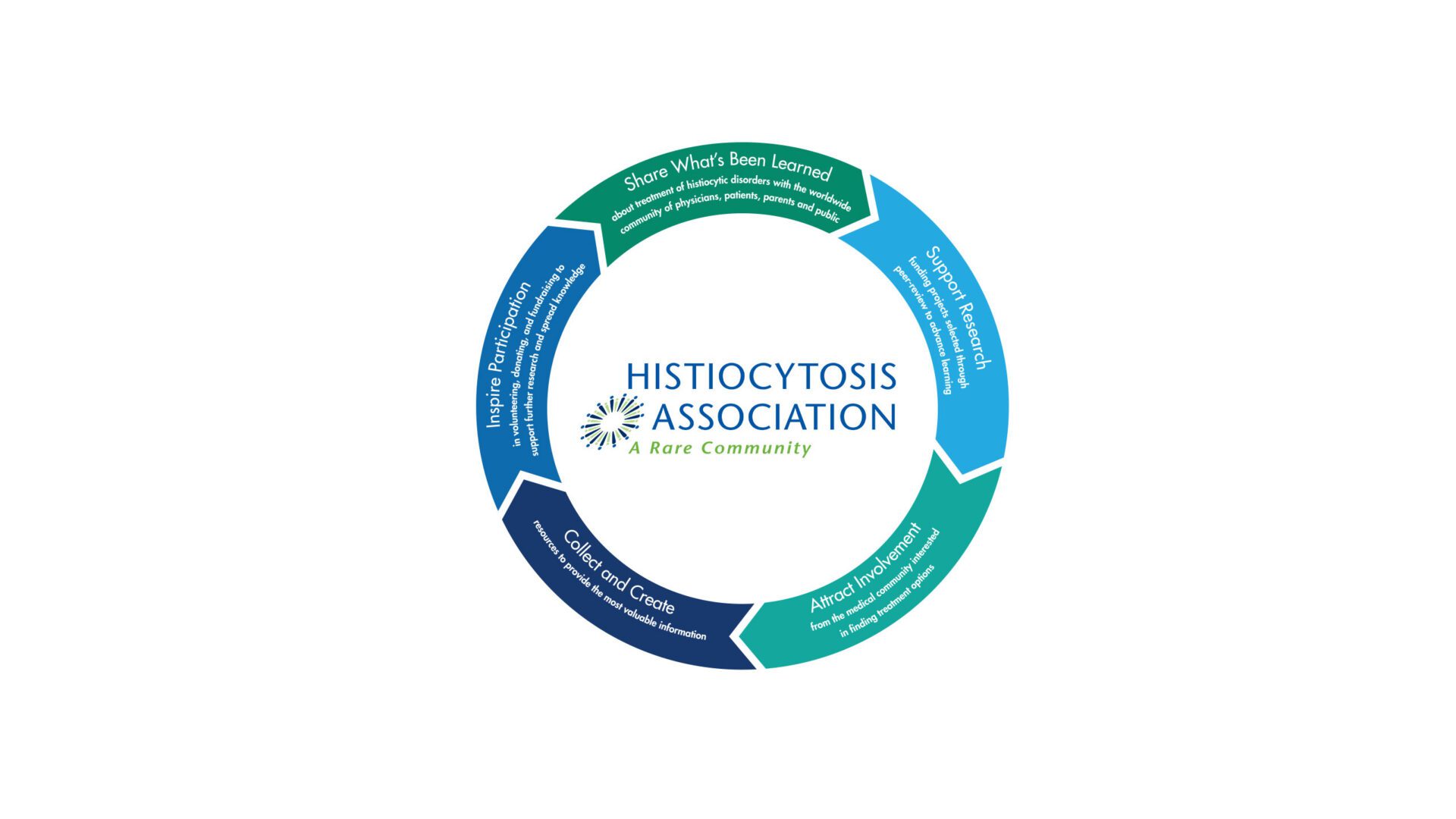
The circular shape in the logo was more than a design choice, it demonstrated how everything the organization does is interconnected. To get this message across we created an infographic showing the Cycle of how each service the organization provides leads to the ability to deliver the other services. Without all of them working together, the system is incomplete.
One of the most gratifying things that Deanna shared was that they talk about the Cycle in new staff orientation. She wants the team to think about everything being very continuous. In fact, they use it all the time remind everyone that sharing information creates more information and gets more people involved.
The drive to rebrand came from a need to get donors to value the interconnection of services. Today Deanna hears families say, “I want to make a donation and I want it to go to research, but I don’t want to fund one specific doctor or institution. I know there’s other components that go into solving this.”
To expand on the idea of the Cycle, Deanna says they’ve started talking about seed grants and how it’s important to fund a lot of ideas across a lot of areas. There are over six different histiocyte disorders and they all have subtypes, and they all show up differently. The Association’s position is that when different minds are thinking and coming together to talk about it — that’s how evolution will happen.
“Donors now understand why it can’t just be one institution working on this. It has to be across the United States and across the world. It’s cool that they have made that shift. I think that it is the branding. It is involving them in that, not only the imagery, but also all the components that go into it.”
So, yes, they answer questions, and talk to scared parents, help families with their fundraisers as well as managing The Histocyte Society and funding research. It’s all important and now donors see their money can go further if they think about all the other things that it can do.
What’s next?
Deanna says they have recently launched an international coalition of patient advocacy groups, who collaborate with the Histiocyte Society, an international nonprofit comprised of researchers and scientists from around the world. Additionally, they launched a the Histio Ambassador Program and Youth Ambassador Program, to give volunteers a structured opportunity to get more involved in the work of the Histiocytosis Association. They’re doing more to share the impact of everything their community does. They want to bring the face and voice of families and patients into everything they do. Deanna’s hoping that will not only grow visibility of what they do and the impact it can have among their supporters but begin to extend beyond the histiocytosis community as well.
Of course, Deanna’s dream is for everyone to know about them. But the answer, she knows, is not marketing to everyone. The answer is to build your center, then go out to the next ring, the next ring, and the next ring. The Histiocytosis Association has done that by making sure that they’re serving the needs of their priority audience, going back and questioning it, checking, getting feedback, iterating, expanding, and then repeating that loop.
“It’s very exciting to know that there’s so much potential for what we can do and to feel solid on our footing. We can see what those circles [of growth] are and we’re touching some of them now with what we’re doing. We love the brand and couldn’t imagine changing anything!” Deanna said.
Making your rebrand work for you.
The Histiocytosis Association put a strategic stake in the sand a more than a decade ago. The logo, colors and typography have been a huge asset in building awareness and maintaining a modern image. Having a plan has helped them keep the brand visually consistent through changes in staff and technology.
If their challenge had only been a dated look, that would have been enough. Digging deep with research allowed us to find an idea they could rally their community around.
We found the space where what they do best aligned with what their audience valued and helped them find a clear and compelling way to gather support for it.
Through this, they have grown their audience, their funding and most important, the availability of treatments for the people they exist to serve.
We worked together for three years to build a solid foundation and they have run with it ever since. This is why we get up in the morning — to help you get on the solid footing you need to be able to connect your strategic plan with your marketing efforts.
Do you have content that could benefit from this dynamic digital format?
Contact Us to explore the idea.